
Unveiling the Excellence of Great Brass Turned Parts 1.0
When it comes to precision engineering and the manufacturing of intricate components, Brass Turned Parts stand out as shining examples of craftsmanship and versatility. These small yet critical components find applications across various industries, thanks to their remarkable properties and adaptability. In this comprehensive guide, we will delve deep into the world of this, exploring their composition, manufacturing processes, applications, and much more. Whether you’re an industry professional or simply curious about these essential components, you’re in for an enlightening journey.
Brass Turned Part: An Overview
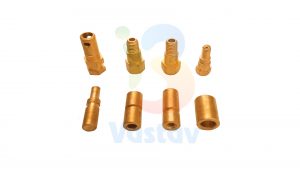
Brass Turned Parts, as the name suggests, are components crafted from brass through a specialized machining process known as turning. Brass, an alloy of copper and zinc, offers a perfect blend of properties that make it ideal for precision turning. This alloy provides excellent corrosion resistance, durability, and aesthetic appeal, making this highly sought after in various industries.
The Composition of Brass Turned Parts
This typically consist of varying proportions of copper and zinc, with trace amounts of other elements like lead and tin. The specific composition depends on the desired properties and applications of the part. Brass alloys can be manipulated to achieve various characteristics such as enhanced machinability, electrical conductivity, or corrosion resistance.
The Manufacturing Process
The production of Brass Turned Parts involves several steps, starting with the selection of the appropriate brass alloy. The alloy is then subjected to a turning process, where it is rotated against a cutting tool to achieve the desired shape and dimensions. This process can be further customized to create intricate designs and features, making Brass Turned Parts suitable for a wide range of applications.
Applications
The versatility of Brass Turned Parts is truly remarkable, as they find applications in diverse industries. Let’s explore some of the key areas where these components play a crucial role:
1. Automotive Industry
This are widely used in the automotive sector for various applications, including fuel systems, brake assemblies, and electrical connectors. Their excellent thermal conductivity and corrosion resistance make them reliable choices in this demanding industry.
2. Electronics and Electricals
In the world of electronics, essential for connectors, terminals, and sockets. The alloy’s exceptional electrical conductivity ensures efficient transmission of signals and power.
3. Plumbing and Sanitary
Brass Turned Parts are a staple in plumbing and sanitary systems, thanks to their resistance to rust and corrosion. They are commonly found in faucets, valves, and pipe fittings.
4. Aerospace
Aerospace applications demand precision and reliability, which this can provide. These components are used in critical aircraft systems, ensuring the safety and functionality of various components.
5. Consumer Goods
From everyday items like locks and keys to decorative pieces like jewelry, Brass Turned Parts enhance the quality and aesthetics of consumer goods.
6. Medical Devices
In the medical field, precision and biocompatibility are paramount. Brass Turned Parts are used in various medical devices, including surgical instruments and diagnostic equipment.
Advantages The popularity of Brass Turned Parts can be attributed to their numerous advantages:
- Machinability: Brass is easy to machine, allowing for intricate designs and tight tolerances.
- Corrosion Resistance: Brass exhibits excellent resistance to corrosion, ensuring longevity in various environments.
- Aesthetic Appeal: The golden hue of brass adds an element of elegance to products.
- Electrical Conductivity: Brass is an excellent conductor of electricity, making it suitable for electrical components.
- Eco-Friendly: Brass is recyclable, contributing to sustainability efforts.
FAQs
What are the primary alloys used for Brass Turned Parts?
The most common alloys used are C26000 (Cartridge Brass), C36000 (Free-Cutting Brass), and C46400 (Naval Brass), each offering unique properties for specific applications.
Can Brass Turned Parts be customized for specific applications?
Yes, Brass Turned Parts can be tailored to meet specific design and functionality requirements, making them highly versatile.
Are Brass Turned Parts environmentally friendly?
Yes, brass is a recyclable material, contributing to sustainable manufacturing practices.
What is the typical lead time for producing Brass Turned Parts?
Lead times can vary depending on complexity and quantity but are usually relatively short due to the ease of machining brass.
How can Brass Turned Parts contribute to cost savings in manufacturing?
Brass Turned Parts are cost-effective due to their ease of machining, which reduces production time and labor costs.
Are this suitable for outdoor applications?
Yes, brass’s corrosion resistance makes Brass Turned Parts suitable for outdoor use, even in harsh environments.
Conclusion
Brass Turned Parts are remarkable components that have earned their place in a wide range of industries. Their adaptability, durability, and aesthetic appeal make them invaluable in manufacturing processes and end products. Whether you’re an engineer, manufacturer, or consumer, understanding the significance of this can help you make informed choices and appreciate the craftsmanship behind these versatile components.
So, the next time you encounter a finely crafted piece of machinery, jewelry, or plumbing fixture, remember that Brass Turned Parts may be the unsung heroes behind its excellence.
Thank you for exploring the world of this with us. If you found this article informative, please hit the like button and consider sharing it with others who may find it valuable.
No Comments